Why would I want to buy and hold or use Bitcoin?
Do any of these apply to you?
- I want money that retains its purchasing power over time.
- I want to be able to send money to anyone anywhere in the world and at any time.
- The price of housing has risen dramatically. I can no longer afford to buy a house.
- When I spend money, it seems that the whole world knows exactly what I bought.
- I am unable to get a bank account or my bank (or government) has frozen my bank account.
I want money that retains its purchasing power over time
I can afford to buy less and less despite being told by the media and the government that our economy is fine. I am told that we need inflation for prosperity. Why, then, am I getting poorer by the day. With improvements in production technology, I would expect the price of goods to decline and quality of goods to improve. This is not happening.
The current credit based systems and their currencies (e.g. US dollar) depend on a persistent increase in the amount of circulating currency. This happens in one of 2 ways: Increased lending by banks and the currency’s Reserve Bank monetizing government deficits. This results in an expansion of the amount of currency in circulation and a loss of purchasing power over time. These currencies are not scarce by design and they have to inflate to survive. Bitcoin is scarce money and retains its purchasing power over time.
Bitcoin’s proof-of-work consensus together with the rules for Bitcoin issuance result in a level of decentralization and security that ensures that there will only ever be 21 million Bitcoin. The supply is insensitive to price. This is provable scarcity. No government nor entity will be able to change that.
Gold does retain its value over time, but Bitcoin is better than gold in a digital age. Scarcer, easier to store and move across space and time. Mining, transporting, storing, and protecting gold is energy and carbon intensive.
I want to be able to send money to anyone, anywhere in the world, at any time, and at low cost
Using Bitcoin you can, securely and at very low cost, transfer value over space and time without a third party. You can send any amount of Bitcoin at any time of the day or night on any day of the week to any person located anywhere in the world. No third party is required. You can send very small amounts using layer 2 networks like Lightning or very large amounts (even billions of dollars) via the Bitcoin network at very low cost. All other settlement solutions (including Proof of Stake networks) cannot do this without the risk of third party manipulation or censorship. Bitcoin is a global, public digital ledger that is decentralized and immutable.
The price of housing has risen dramatically. I cannot afford to buy a house
You can blame this on the credit based systems and their currencies as well as their relevant Reserve Banks and the banking system. The Reserve Banks keep the price of borrowing (the cash interest rate) artificially low (well below the rate at which the amount of currency is growing). The interest rate that the wealthy will get from their bank is better than the rate that you will get. Also, the wealthy are able to borrow much more than you. As a result, the wealthy have been buying houses (and farm land). That is one way of trying to counteract the fact that their currency is losing value over time.The problem is that ordinary people need housing and farmers need farm land. Using housing and farm land as an investment is detrimental to society.
Investing in Bitcoin to offset the loss of currency buying power, does not artificially inflate the price of housing or farmland. You can save money that will retain its buying power without affecting the ability of people to own a house or for farmers to acquire farmland. Having savings that retain their value, allows you to more effectively save for a downpayment on that house.
When I spend money, it seems that the whole world knows exactly what I bought
I am sure that you have noticed that, after buying an item with your credit card, ads relating to that purchase find their way onto your social media. I want my privacy when I spend money. Privacy is important to our daily lives e.g. when we interact with our health providers. This is not the same as secrecy. Our health provider is privy to our interaction but they keep that interaction private. I expect that same privacy to be extended to how I spend my money.
Bitcoin provides that privacy. If I spend Bitcoin using the Lightning Network, Chaumian e-cash, or Bitcoin twins like ckBTC then that transaction is private and no information linking my purchase with my identity will be leaked. Bitcoin does not provide secrecy though and transactions can be traced if an address can be linked to a specific person’s wallet or exchange.
I am unable to get a bank account or my bank (or government) has frozen my bank account
Over 2 billion people do not have a bank account. You may live in a remote area or you may live in poverty. If you earn your money running a business that is not accepted by your government or bank, then you may not be able to get a bank account. This can happen even if your business does not break any laws. If you protest an action by your government, you may have your bank account closed. This happens in so-called developed nations as well as developing nations, in democracies as well as in dictatorships. With the advent of central bank digital currencies, these restrictions are only going to get worse. We are staring 1984’s ‘Big Brother’ in the face.
Bitcoin is a freedom technology and does not discriminate. Everyone can have their own bank on their smartphone. Even those who can only afford an older phone, can use Bitcoin e.g. Machankura.
Common statements about bitcoin
'Bitcoin is not money'
'Money is any good that is chosen by the free market as a medium of exchange. It fixes the problem of coincidence of wants’ - Murray Rothbard. Bitcoin is used as a medium of exchange i.e. Bitcoin is money. Bitcoin is fungible and has demand, divisibility (100 million sats per Bitcoin), durability (store of value due to provable scarcity), recognizability (easy to verify its authenticity) and transportability. These are all attributes of money.
Note that, to be money, a medium of exchange does not have to have low volatility. A money with low volatility is useful if you are going to use that money for short term exchange or as a unit of account. For long term exchange it is more important that the money does not lose value. Bitcoin has been durable in the long term. Everyone can see what inflation is doing to their $ purchasing power. Bitcoin is provably scarce and provides a monetary level playing field for individuals and countries. There will only be 21 million Bitcoin. Throughout history, governments have manipulated money to suppress their citizens and the citizens of other countries. They cannot do that with money that they do not control.
'Bitcoin has no intrinsic value'
A good that is used as money does not need intrinsic value. For example, credit based currencies like the US dollar that have no intrinsic value and rely on government decree for their value are known as fiat currencies and are widely used.
The value of Bitcoin is the value of its attributes: provable scarcity and the ability to transfer value across space and time without a third party (achieved by solving the Byzantine Generals problem). The value of bitcoin is never going to zero. Even if there is no value to the solution to the Byzantine Generals problem, bitcoin is scarce and will remain scarce and there will always be a demand by some to retain bitcoin.
'The Bitcoin network uses excessive energy and is bad for the environment'
To secure the Bitcoin network, proof-of-work consensus uses a large amount of energy. But how can you even debate this issue without looking at the current financial system. Nobody looks at the direct and indirect energy costs of the current system. Hypocritical? The argument is made that the Bitcoin network uses more electricity than certain countries. But, the entire Bitcoin network can be run on the surplus energy from a single province in one country (e.g. Hydro-Quebec).
There are other benefits to mining Bitcoin:
- Electricity production often does not match the demand and the storage of excess electricity can be very expensive. Using that excess energy from a renewable source to mine Bitcoin can give the electricity producer or government an extra source of income. That extra income is being used to make marginal renewable projects economically feasible. Also, in remote areas, the income is used to build out the infrastructure needed to electrify villages e.g. from hydroelectric or geothermal sources.
- Bitcoin mining can be used to stabilise an electricity grid - if there is a sudden demand for electricity, Bitcoin miners can be switched off to meet the demand and then switched back on again when the demand decreases. No other industry can do this. ERCOT in Texas is an example of this.
- Methane gas flaring is common in oil and gas fields. Instead of flaring or releasing methane gas into the atmosphere, the energy in the gas is converted into electricity to run Bitcoin miners. Similarly, methane gas from landfills is increasingly problematic. This methane can be used to power generators that power Bitcoin miners thereby reducing methane emissions (reduce the methane emissions by over 50%).
- Bitcoin miners release heat and that heat is being used to heat homes (e.g. Finland) or used for horticultural and industrial purposes.
Bitcoin competes with Gold as a store of value. Gold mining is energy intensive. A single 15,000 ton per day surface mine, approx 6.28 trillion btu/d is used to extract the ore and waste. A further 815 million btu/d is needed to extract the gold. You still have to transport and store the gold. This does not include the environmental damage from the mine, equipment and byproducts.
Adding blocks to the Bitcoin network is a fixed energy cost - a block is going to be added approximately every 10 minutes no matter what. Adding a transaction to the block adds very little extra energy (the use of your electronic device and network). The Internet is also a fixed energy cost. Sending a tweet is like adding a transaction. In the 90s there were similar complaints about the energy use of the Internet.
The current financial system encourages a short term orientation. The amount of money in the system is growing every year as Governments try to force inflation in the face of deflationary technological improvements. They encourage us to Spend! This has driven consumerism and an exponential rise in energy use since the 1970’s. Bitcoin encourages a longer term orientation. The entire world’s economy could be run with Bitcoin as the settlement layer. The energy savings would be massive.Bitcoin Mining: The Unlikely Environmental Hero w/ Daniel Batten | The Culture Bit
Bitcoin’s Carbon Footprint Revisited: Proof of Work Mining for Renewable Energy Expansion
'Bitcoin is used by criminals. It should be stopped!'
Of course it is used by criminals. That is because it is a viable medium of exchange i.e. money. Criminals have always been among the first to use new technology and they will use any medium of exchange that they can (the US Dollar is still the most popular).
The 2024 Chainalysis Crypto Crime Report estimates that the total value received by illicit cryptocurrency addresses represented 0.14% of all on-chain transaction volume (40 to 51 billion US dollars). The United Nations Office on Drugs and Crime (UNODC) estimates that the annual volume of money laundered globally ranges from 2% to 5% of the world's GDP. For 2024, this would translate to an estimated US$2.22 trillion to US$5.54 trillion flowing through the global financial system. As you can see, illicit cryptocurrency use is a tiny fraction of global money laundering.
Using Bitcoin for criminal activities is not the smartest option. The network is an open ledger and transactions can be traced if an address can be linked to a specific person’s wallet or exchange. Also, law enforcement can freeze a wallet if that wallet is on a 3rd party network.
It makes no sense to say that Bitcoin should be ‘banned’ because it is used for ransomware attacks. If we did not have the internet, we would not have ransomware attacks at all. We do not try to ban the internet. The problem is poor organizational security when exposed to the internet.
'Bitcoin is a ponzi scheme'
A Ponzi scheme is a type of fraud where funds from new investors are used to pay profit to earlier investors. This requires a 3rd party with the power to move the funds. Bitcoin is decentralized with no 3rd party involved. Bitcoin itself cannot be a Ponzi scheme. Ponzi schemes can use Bitcoin in the same way they can use dollars.
'Bitcoin's proof-of-work consensus should be changed to a proof-of-stake consensus'
Governments, companies - they are proof-of-stake. Temporarily useful but not decentralized. Wealth and power eventually concentrate in the hands of a few and history has shown that they all inevitably destroy themselves.
'Bitcoiners are all toxic and right wing extremists'
Belief in the free market system does not make one ‘right wing’. We have not had a free market in money since the early 1900s. What we have had is ‘crony capitalism’, where certain individuals and businesses profit from being close to the money source (banking system, governments). Free markets do not favour one group over another. They are exactly what they say they are: ‘free’. Extremists from the right and the left are all the same. They do not want freedom, they want control. Bitcoin is decentralized, meaning that it cannot be controlled and it is money for everyone, not just the select few and it is a threat to the extremists.
There are ‘Bitcoiners’ with a wide range of beliefs. Sometimes one group shouts louder than the other but they do not represent all ‘Bitcoiners’.
'Bitcoin is not fully decentralized'
With the distribution of mining operations and nodes, Bitcoin has a very high level of decentralization. This is not a given though. It would be possible for a single very large entity (e.g. large country with the ability to ‘print’ its currency) to grab a large share of mining operations, buy and hold a large proportion of the available Bitcoin and to run a very large number of nodes. By doing that, they could make changes to the protocol (or prevent changes) that would be hard to oppose. Unlikely but possible.
With the distribution of mining operations and nodes, Bitcoin has a very high level of decentralization. This is not a given though. It would be possible for a single very large entity (e.g. a large country with the ability to ‘print’ its currency) to grab a large share of mining operations/pools, buy and hold a large proportion of the available Bitcoin and to run a very large number of nodes. By doing that, they could make changes to which transactions are added to the blockchain or changes to the protocol (or prevent changes) that would be hard to oppose. Unlikely but possible. The most significant problem for me, though, is the interface between me and the Bitcoin blockchain. I have to rely on software written by a third party. The apps, web applications, and websites that I have to use to buy, sell and use Bitcoin are all exposed to bad actors, potential hacks, government coercion, and privacy breaches. In my opinion, the best option would be to use open source cryptographically secure websites, software, and storage, with decentralized consensus and governance. For example, the Internet Computer Protocol provides a cryptographically secure software stack (including web sites, web applications, HTTPS outcalls and persistent storage) and is able to use ‘on-chain’ Bitcoin.
'Governments will ban Bitcoin'
Due to decentralization, Bitcoin cannot be banned. Governments can attack the private use of Bitcoin via regulations and taxes. For example, creators of non-custodial wallets may be deemed ‘money transmitters’ and subject to a slew of regulations that make it near impossible to continue to operate in the country enforcing the regulation. Bitcoin will continue to exist as a store of value, but the freedom to transact will be severely restricted.
'I cannot afford to buy a Bitcoin and I am too late'
One Bitcoin is divided into 100 million satoshis (sats). You do not need to buy a whole Bitcoin and you can buy satoshis (sats). For example, at this time USD 1 = approx 917 sats.
The market cap of Bitcoin is still very small when compared to other asset classes and that market cap can be expected to grow relative to those asset classes. Due to the rapidly increasing money supply, the price of all scarce assets will rise in dollar terms. I believe that the price of Bitcoin in dollar terms will continue to rise at a significant rate (albeit a decreasing rate). You are not too late, you are still early.
Dollar cost averaging is a long-term strategy to buy and hold Bitcoin. Buy what you can afford monthly. If you are more risk averse then add in a percentage of gold and value stocks. You can expect the price of Bitcoin in dollar terms to remain volatile with significant drawdowns. Dollar cost averaging mitigates the volatility. Note that volatility is your friend - if there was no volatility then you would not have the option to buy bitcoin at this price. The price would be much higher and it would be an asset only available to the ultra-wealthy.
'Bitcoin is an unproductive asset'
I am using my after-tax income to save in an asset that retains its value over time. I am deferring my investing or spending that income to a later date. For me to invest that capital, I require a return that is greater than the rate of monetary inflation + CPI (about 11% now).
Bitcoin allows me to make more efficient future investments or purchases. That is not unproductive. It puts the brake on the rampant consumerism that has been encouraged by our governments — that same consumerism that is responsible for rising public and private debt, widespread plastic pollution, excessive carbon emissions etc.
'Quantum computing is a threat to Bitcoin'
Quantum computing does pose a long-term risk to Bitcoin’s security. primarily because of its ability to break the elliptic curve cryptography (ECDSA with secp256k1) that protects private keys from being derived when the public keys are exposed.
Grok summarizes the risk:
1. Private Key Recovery from Public Keys (The Main Threat) Bitcoin addresses are derived from public keys, and public keys are exposed every time you receive or spend coins (especially in pay-to-public-key-hash or reused addresses). A sufficiently powerful quantum computer running Shor’s algorithm can derive the private key from a public key in polynomial time (classically impossible; requires exponential time). Affected addresses: Any address where the public key has been revealed (e.g., P2PKH addresses that have spent coins, most P2PK outputs from early Bitcoin, any reused address). Roughly 25–30% of all BTC (≈5–6 million BTC) are in addresses that have already exposed their public key on-chain as of 2025. Unaffected for now: Addresses that have never spent (P2PKH/P2WPKH where only the hash of the public key is known). To attack these, an attacker would need to break ECDSA signatures directly (still requires Shor, but the public key isn’t exposed yet).
2. Required Quantum Computer Size Current best estimates (2023–2025 papers): ~2,330–2,500 logical qubits with ~1⁰⁹–1⁰¹⁰ Toffoli gates for 256-bit ECC (Gidney & Ekerå, Roetteler et al., Kim et al.). With surface-code error correction (typical 10⁻³ physical error rate), this translates to 20–100 million physical qubits and weeks to months of continuous runtime per key. State of the art (Nov 2025): Largest logical qubit demonstrations: ~100 logical qubits (Google, Quantinuum, etc.) with very shallow circuits. We are still 10–20+ years away from a cryptographically relevant quantum computer (CRQC) capable of breaking secp256k1 in a practical timeframe (estimates range 2035–2050, with high uncertainty).
3. Other Minor Risks Grover’s algorithm: Provides only quadratic speedup for mining or brute-forcing hashes (256-bit → effective 128-bit security). Not catastrophic; Bitcoin can just increase difficulty or soft-fork to higher proof-of-work security if needed. Breaking transaction signatures in flight: Theoretically possible during the 10-minute mempool window, but requires the quantum computer to be online and faster than block confirmation — extremely unlikely even with future machines.
4. Mitigation Paths Already Available or in Development Bitcoin is quantum-resistant if it upgrades before a CRQC appears. Solutions exist: Soft fork to quantum-resistant signatures: Preferred candidates: Lattice-based (Dilithium, Falcon), hash-based (SPHINCS+), or other NIST post-quantum finalists. Proposals: OP_CAT + STARKs, or simple P2TR spending with post-quantum schemes. Move coins to new quantum-resistant address formats before public keys are exposed (i.e., don’t reuse addresses — already best practice). “Quantum-safe” commitment schemes that hide public keys entirely (e.g., future Taproot-like upgrades).
5. Realistic Timeline Summary 2025–2030 → Negligible risk. Current quantum computers are orders of magnitude too small. 2030–2035 → Early warning possible (large logical qubit counts achieved). Bitcoin community would have years to migrate coins and roll out post-quantum signatures. 2035–2050 → Possible cryptographically relevant machines. If Bitcoin has not upgraded by then, coins in exposed-public-key addresses become stealable.
6. Bottom Line Quantum computers do not “kill Bitcoin tomorrow,” but they are the single biggest known cryptographic threat to its long-term security model. The network has ample time (likely 10–25 years) to migrate to post-quantum algorithms via soft fork, provided the community acts when early-warning milestones are hit (e.g., >1,000 logical qubits with low error rates). Coins that remain in old, public-key-exposed addresses after a CRQC exists will be lost forever. Best practice today: never reuse addresses and be ready to move coins when the community signals a quantum-resistance upgrade.
'Gold is a better store of value than Bitcoin'
Gold does not allow you to transfer value across space and time without the use of third parties. You cannot transport fractions of gold digitally. To do this, you have to create ‘paper’ gold. In the digital age, this would be gold ETFs and tokenized gold. ‘Paper’ gold requires multiple third parties and is subject to corruption, manipulation, restrictive practices, and more ‘paper’ than gold.
One could argue that the advent of the digital age (telegraph), lead ultimately to gold’s failure as a reserve currency. When you own a claim on gold, you do not know if that is real gold or not and you have to rely on third parties to confirm that the gold exists. When you own actual gold, you also do not know whether that is real or not. You also have to have third parties actually analyze the gold to confirm that it is real.
Gold is not provably scarce. Gold is widespread on our planet and on other bodies in space. As the price increases, so the production of gold increases. Every year, new and significant deposits are found. This is likely to continue.
Gold production, transport, storage, and protecting gold are energy and carbon intensive. A single 15,000 ton per day surface mine, approx. 6.28 trillion btu/d is used to extract the ore and waste. A further 815 million btu/d is needed to extract the gold. You still have to transport and store the gold. This does not include the environmental damage from the mine, equipment, and byproducts.
Gold has industrial uses. Using Gold as a store of value increases the cost of industrial gold and this has unintended consequences for consumers. An example of how damaging this can be is the cost of housing. Houses have been used as a store of value and the consequences are severe and there for everyone to see.
Suggested reading
Broken Money - Lyn Alden
Resistance Money - A Philosophical Case for Bitcoin - Andrew M. Bailey, Bradley Rettler, Craig Warmke
Bitcoin Age - Nik Bhatia
Why does Bitcoin have value?

Bitcoin information
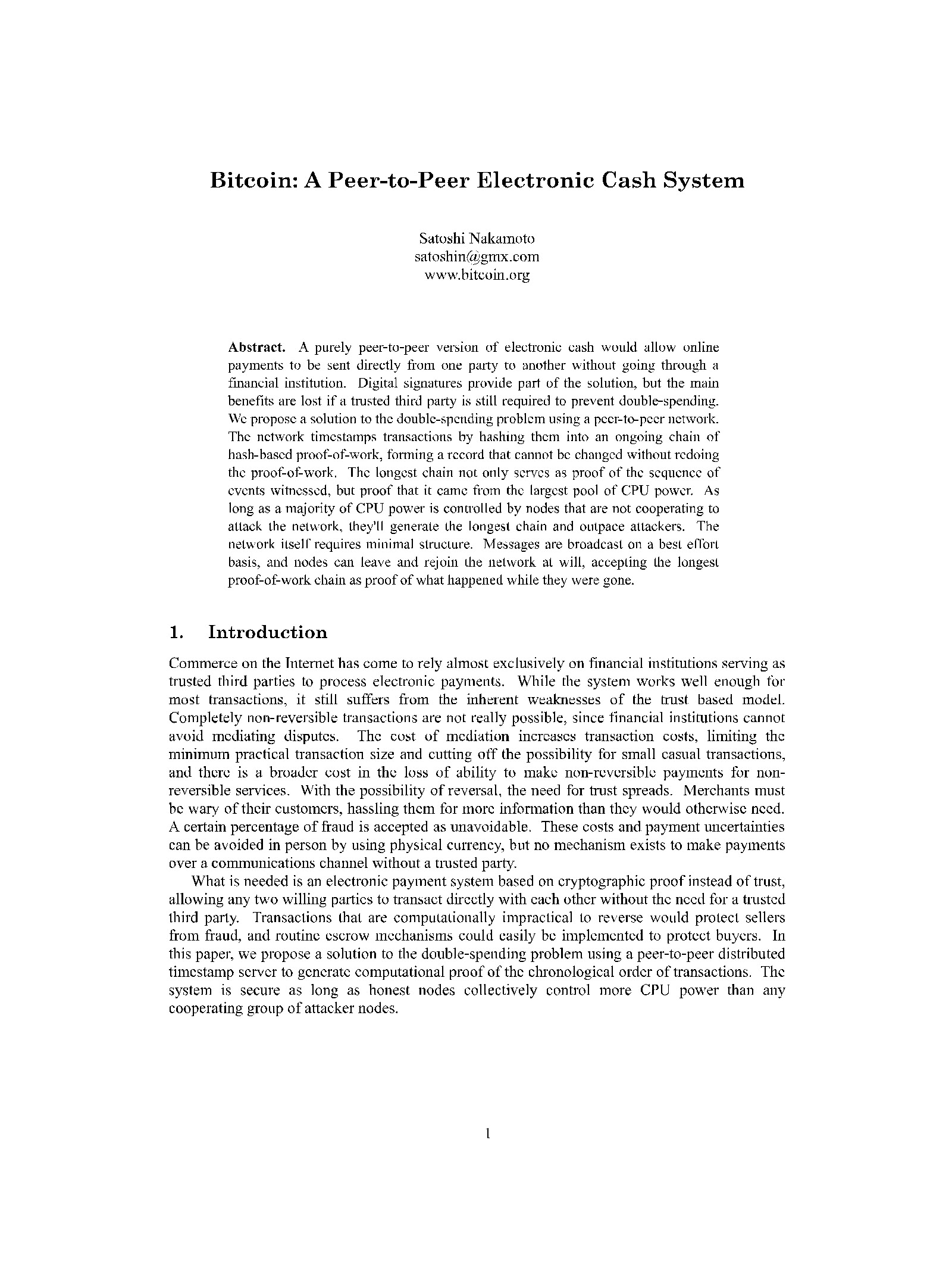
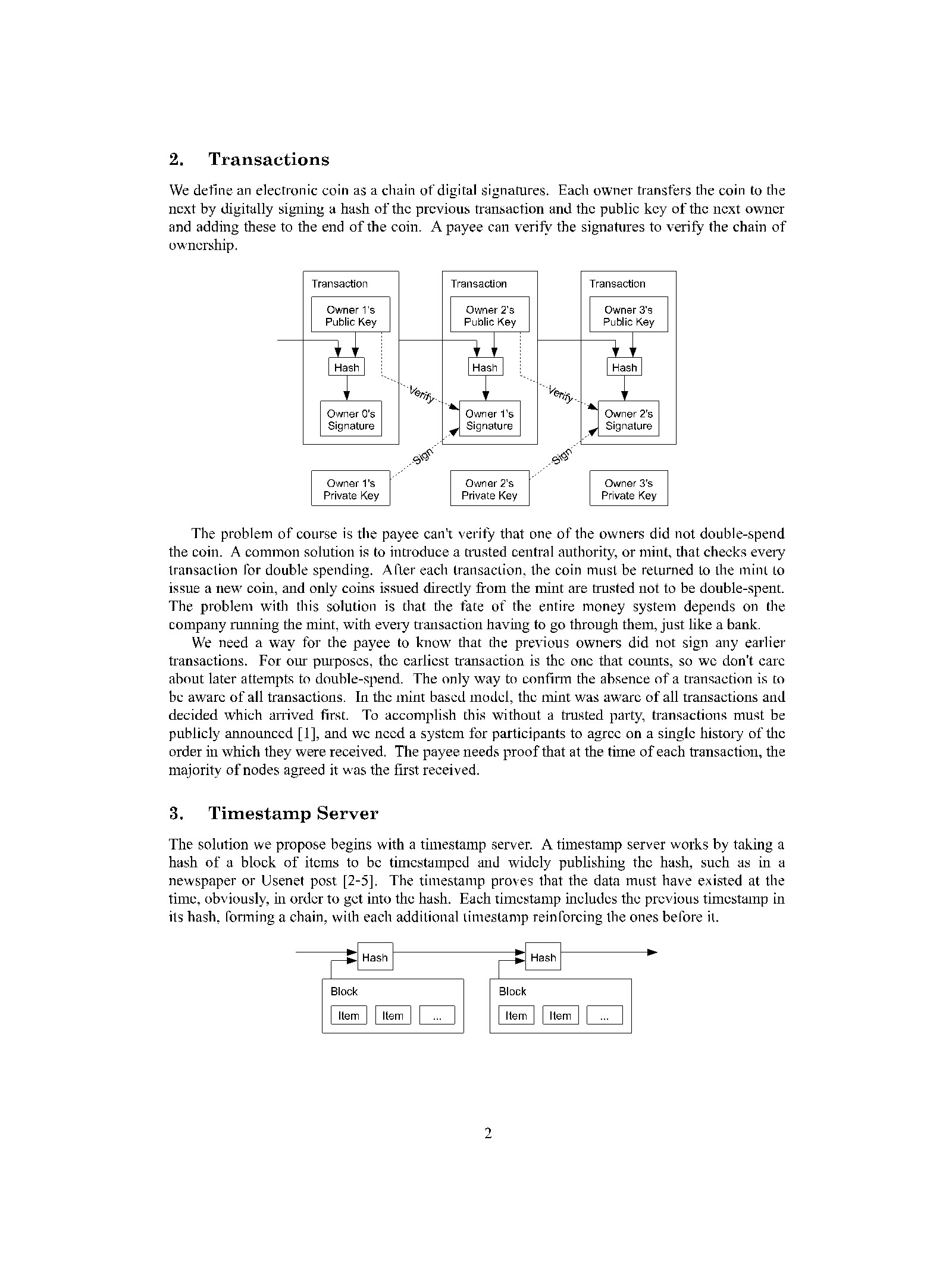
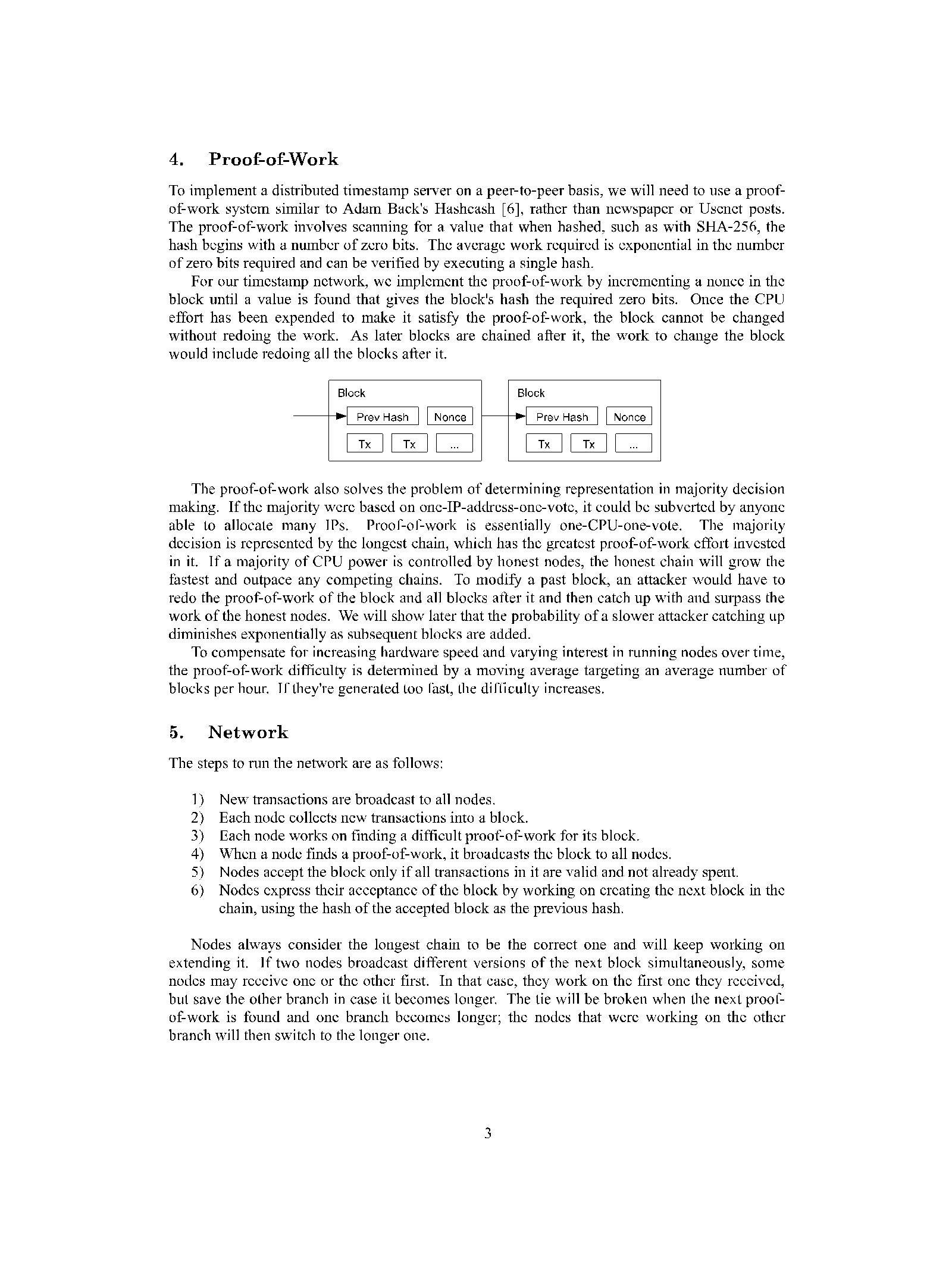
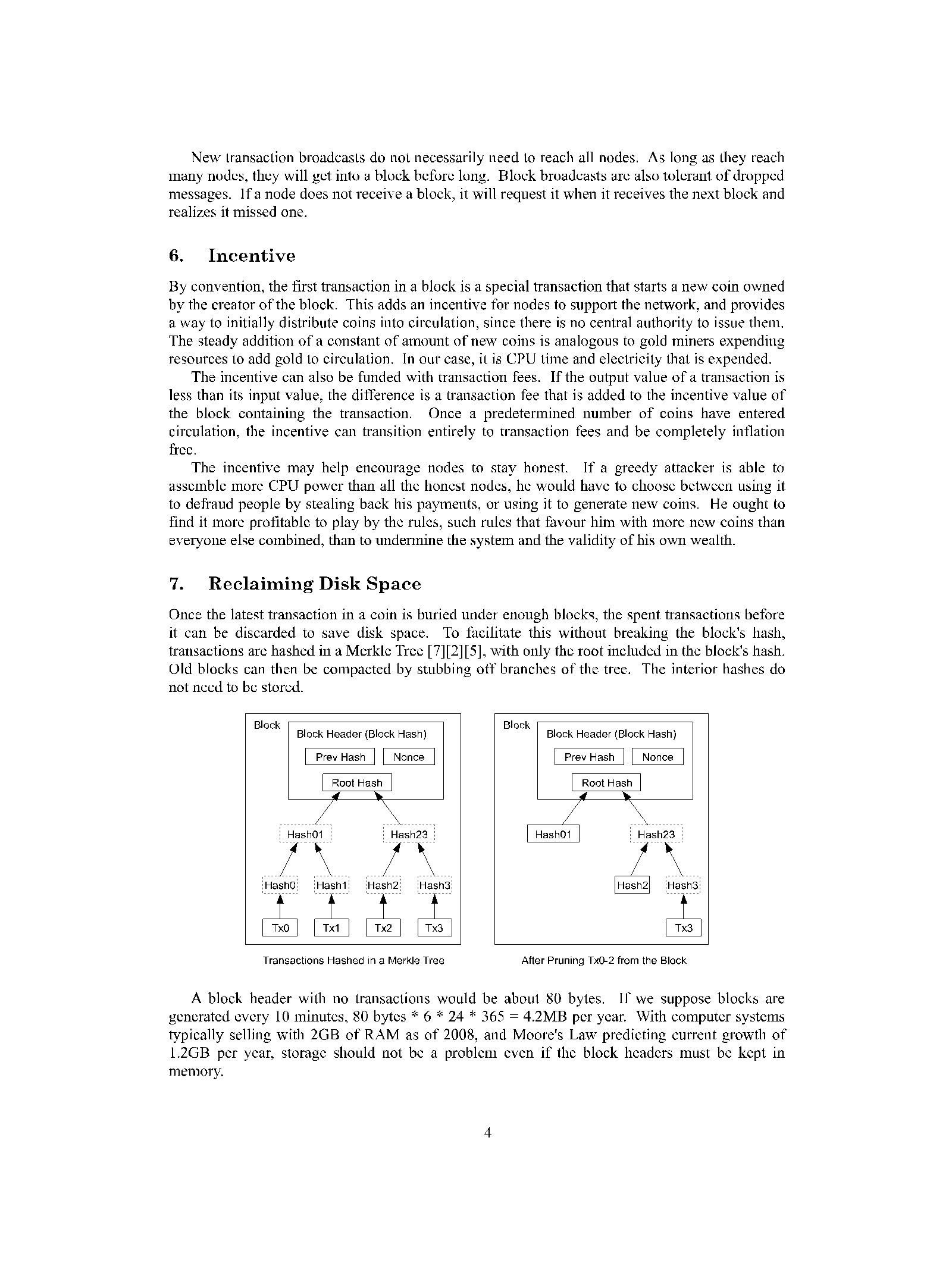
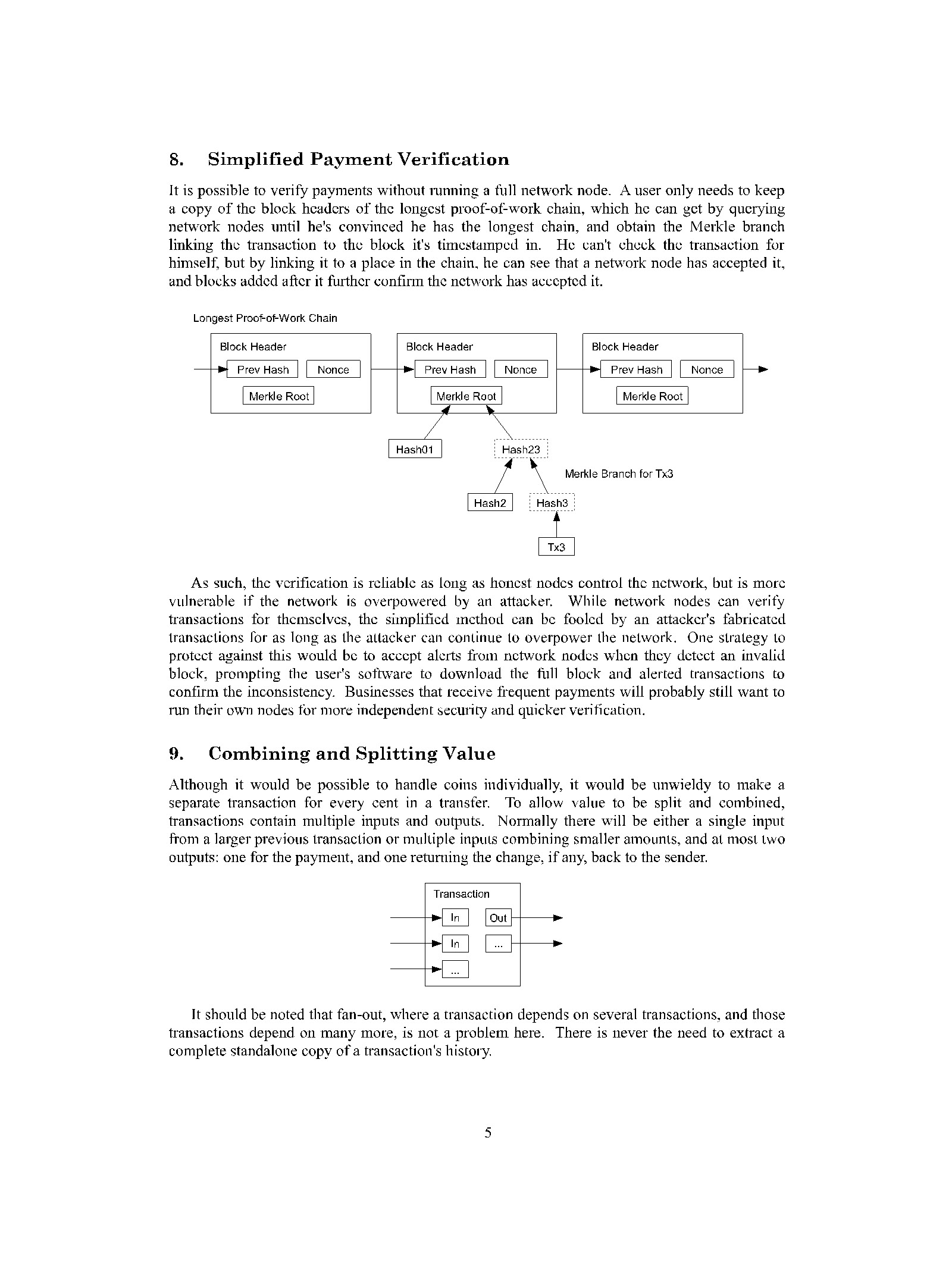
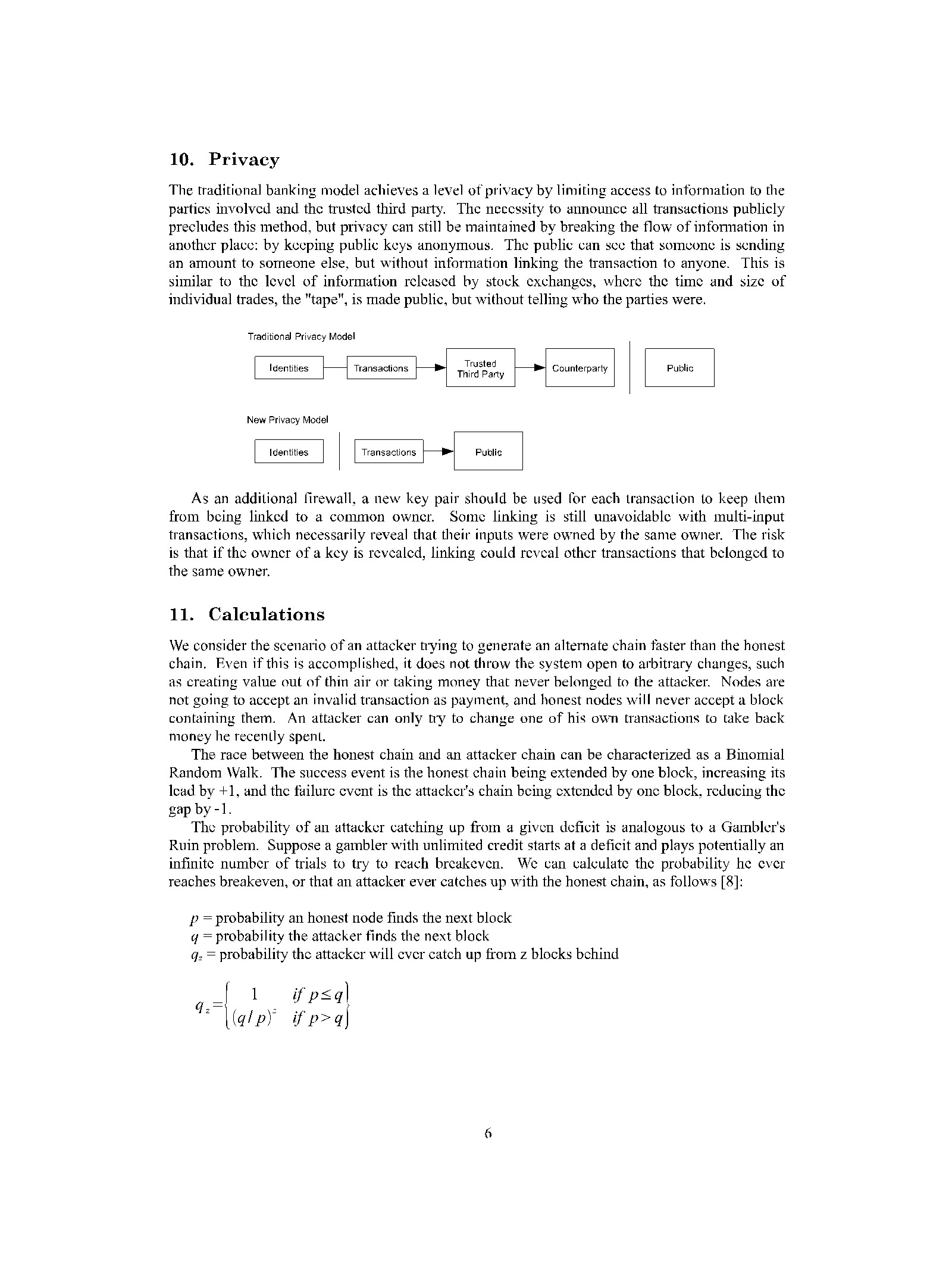
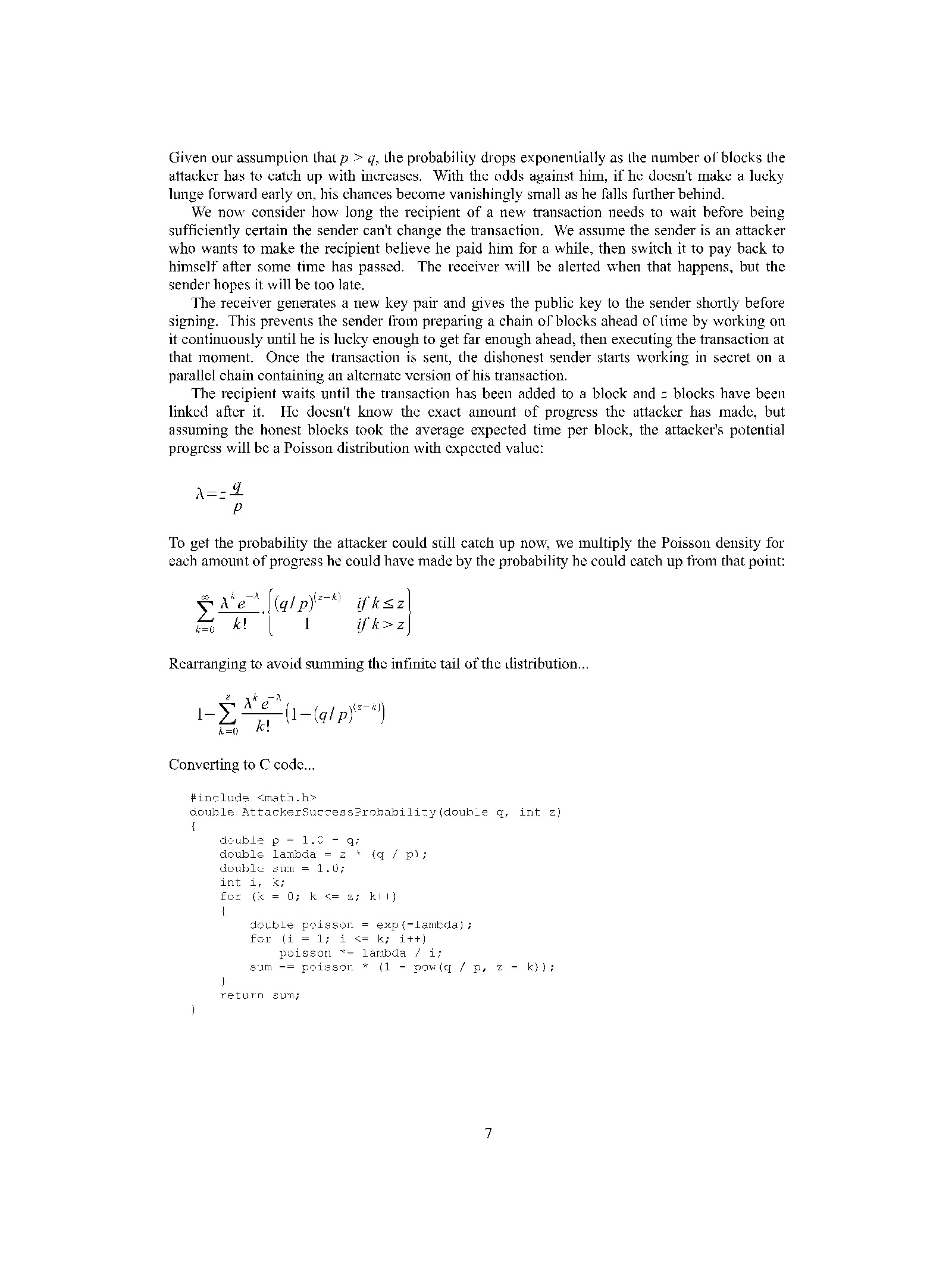
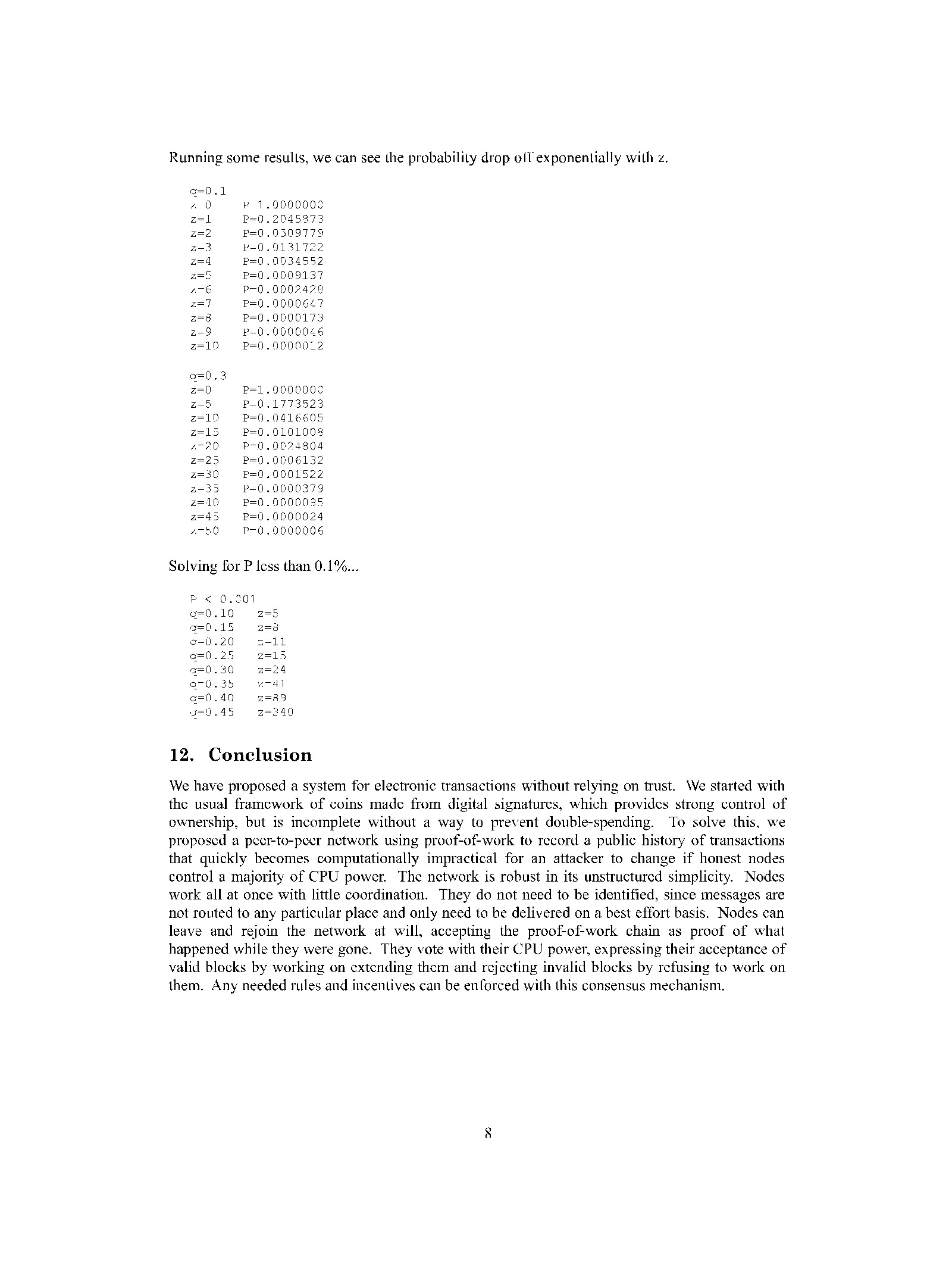
The Bitcoin Whitepaper